Resolving Nested Objects: Mastering GraphQL Relationships
Learn to write nested resolvers in GraphQL to fetch associated data. Discover how to chain resolver execution to build dynamic, relational API responses.
Previously in this course, we explored Creating Basic Resolvers: Linking Schema Fields to Data, where we mapped simple root queries to static data. Now, we're taking a significant step forward: handling complex, relational data by writing resolvers for nested fields.
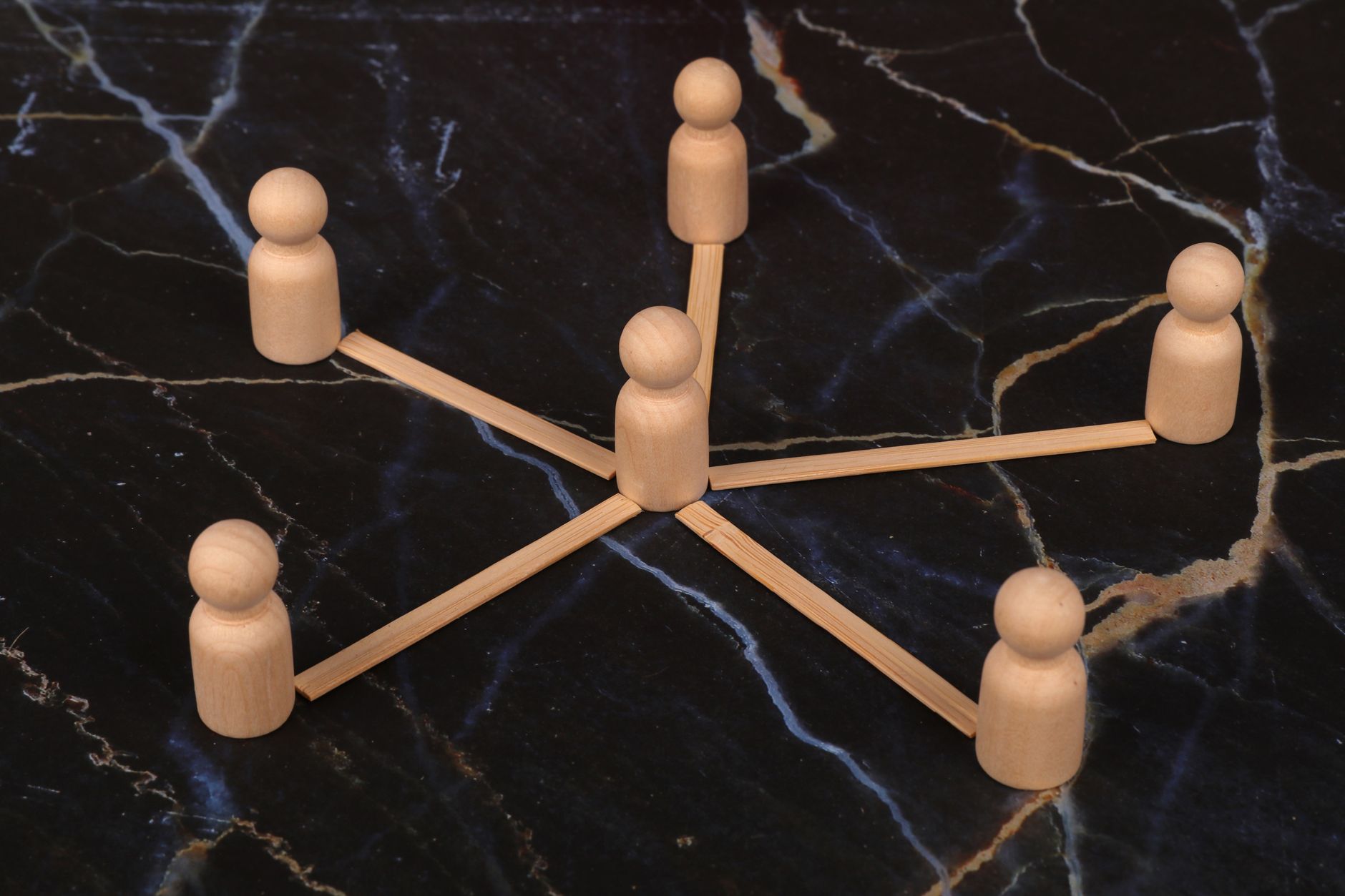
In GraphQL, a resolver doesn't just have to handle the top-level query. Because the schema is a tree structure, every field—no matter how deep—can have its own resolver. This allows you to "chain" execution, fetching data only when the client specifically requests it.
Understanding Nested Resolvers
When you define a relationship in your schema—like a Book having an Author—the parent resolver (the one fetching the book) might only return an authorId. It doesn't necessarily contain the full author object.
This is where nested resolvers shine. GraphQL execution traverses the query tree. When it hits the author field inside a Book object, it looks for a resolver specifically for that field. If you provide one, it executes, receives the parent data (the book), and returns the associated author.
The Anatomy of Chained Execution
Think of this as a waterfall. The parent resolver provides the "context" for the child resolver.
| Resolver Level | Responsibility | Input (parent) |
|---|---|---|
| Root Query | Fetch the primary list/item | null |
| Parent Field | Resolve the initial object | null |
| Nested Field | Fetch associated data | The parent object |
Worked Example: Connecting Books to Authors

Let's assume our project has a list of books, and each book references an authorId. We want our API to allow a client to query a book and its author details in one request.
First, ensure your schema defines the relationship as discussed in Implementing Relationships in SDL: Modeling Connected Data.
JAVASCRIPT// The resolvers map
const resolvers = {
  Query: {
    books: () => [
      { id: CE9178">'1', title: CE9178">'The Great Gatsby', authorId: CE9178">'a1' },
      { id: CE9178">'2', title: CE9178">'1984', authorId: CE9178">'a2' },
    ],
  },
  // This is our nested resolver for the Book type
  Book: {
    author: (parent) => {
      // CE9178">'parent' is the object returned by the CE9178">'books' query
      const authors = [
        { id: CE9178">'a1', name: CE9178">'F. Scott Fitzgerald' },
        { id: CE9178">'a2', name: CE9178">'George Orwell' }
      ];
      return authors.find(author => author.id === parent.authorId);
    }
  }
};
In this example, when a user executes:
GraphQLquery {
  books {
    title
    author {
      name
    }
  }
}
- The
Query.booksresolver runs and returns the book objects. - For each book, GraphQL sees the
authorfield. - It calls
Book.author(parent), passing the current book object asparent. - The nested resolver uses
parent.authorIdto find and return the correct author.
Hands-on Exercise
In your current project, identify a nested relationship (e.g., a User has Posts, or a Comment has an Author).
- Write a resolver for the child type (e.g.,
PostorAuthor). - Implement logic that uses the
parentargument to filter or look up the correct record. - Run the query in Apollo Sandbox to verify the data is correctly joined.
Common Pitfalls
- Ignoring the Parent: Beginners often forget that the
parentobject is the first argument passed to a nested resolver. Without it, you have no way of knowing which ID to look up. - Over-fetching in the Parent: Don't try to fetch the full author object inside the
booksquery. Fetch only what theBooktype needs; let the nested resolver handle the "join" logic. This keeps your code modular. - The N+1 Problem: If you have 100 books, a naive nested resolver will execute 100 separate database lookups for authors. We will address how to solve this with the Data Loader pattern in a future lesson.
Frequently Asked Questions
Q: Do I need a nested resolver for every field?
A: No. If your parent object already contains the data (e.g., the books array already has an authorName property), GraphQL's default resolver will pick it up automatically. You only need a custom resolver when the field requires additional work to fetch or compute.
Q: Can I chain resolvers deeper than one level?
A: Absolutely. If an Author also has a publisher field, you can add a Author: { publisher: ... } resolver. GraphQL will resolve the book, then the author, then the publisher.
Recap
Nested resolvers are the secret to building relational data graphs in GraphQL. By moving logic into specific field resolvers, you keep your code clean, modular, and performant, allowing the client to traverse your data model effortlessly.
Up next: Introduction to Resolver Arguments — we'll learn how to pass data into your resolvers to make them truly dynamic.
Work with me
Laravel REST API Development
Clean, secure, well-documented Laravel REST APIs — the backend engine for your app, mobile client, or SaaS. Built by an API specialist.

FilamentPHP Admin Panel & Dashboard Development
A powerful admin panel for your Laravel app — built with FilamentPHP so you can manage everything without touching the database.