Advanced Text Editing with Vim: A Developer’s Guide
Master Vim, the industry-standard terminal editor. Learn modal editing, navigation, and file management to streamline your server configuration workflows.
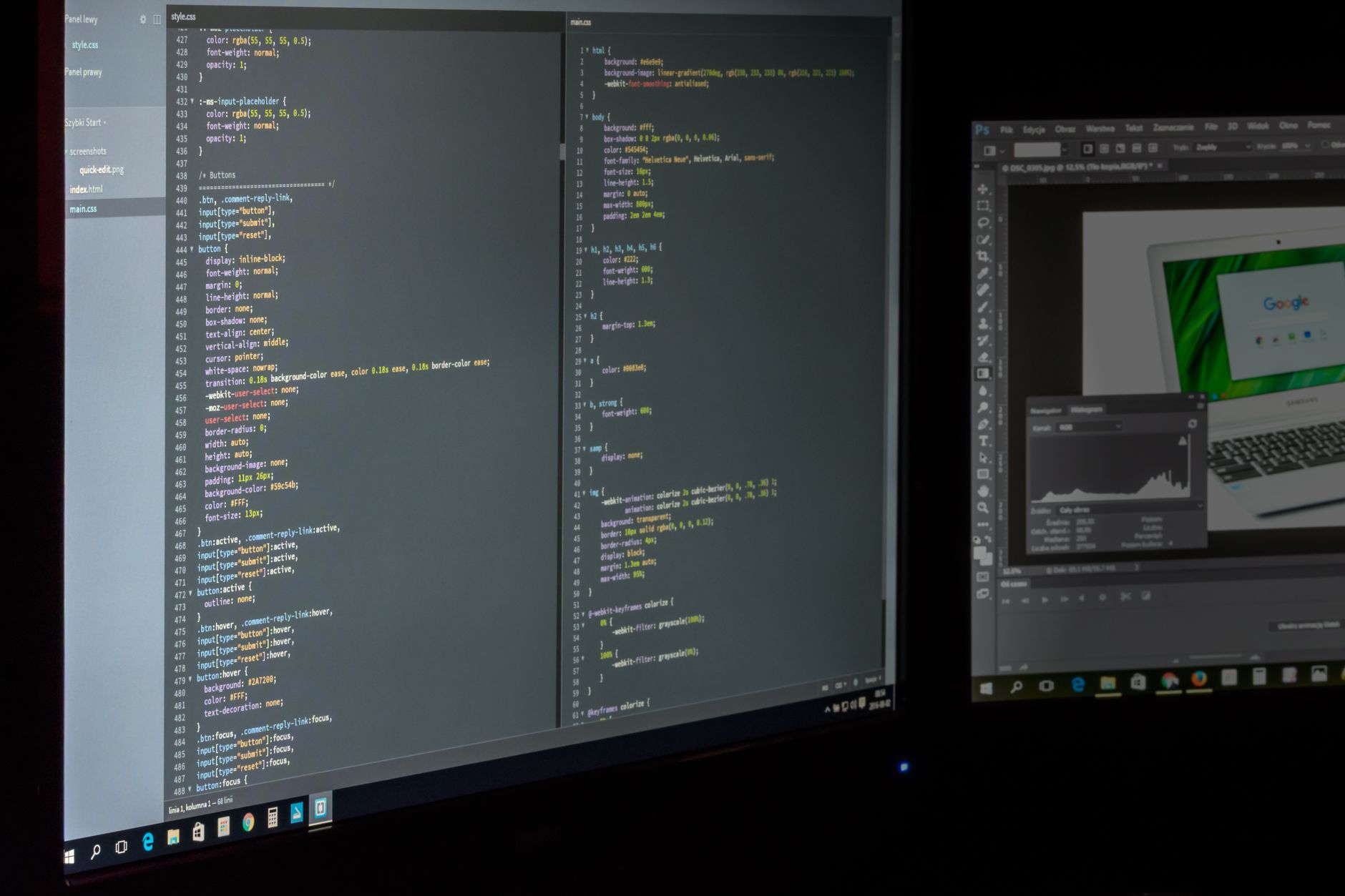
Previously in this course, we explored introduction to text editors using Nano. While Nano is straightforward, professional developers rely on Vim for its efficiency and ubiquity across all Unix-like systems.
Vim (Vi Improved) is a terminal-based editor that operates on the principle of "modal editing." Unlike standard word processors where typing a key always produces a character, Vim separates the act of moving from the act of typing. This might feel alien at first, but once internalized, it turns text processing into a high-speed, repeatable workflow.
The Philosophy of Modal Editing
In most editors, the keyboard is always in "insert mode." In Vim, you start in Normal Mode. Think of Normal Mode as your "control center"—every key press is a command rather than text input.
When you open a file with vim filename, you are in Normal Mode. To add text, you must intentionally switch to Insert Mode. To perform actions like saving or quitting, you use Command Mode (by pressing :).
Navigating the Vim Interface
Before you start typing, you need to move around. Vim was designed before arrow keys were standard on all terminals, so it uses home-row keys to keep your hands in place:
h: Move leftj: Move downk: Move upl: Move right
While arrow keys often work in modern terminal emulators, learning h, j, k, l is essential for operating on remote servers where your terminal configuration might be stripped down.
Worked Example: Editing Your Web Config
Let’s advance our project by creating a placeholder configuration file for our web server.
- Open the file:
vim ~/web-server/config/server.conf - Enter Insert Mode:
Press
i. You will see-- INSERT --at the bottom of the screen. Now, type:TEXTport=80 root=/var/www/html - Return to Normal Mode:
Press
Esc. The-- INSERT --message disappears. You are now back in command mode. - Save and Quit:
Type
:wqand pressEnter.:enters Command Mode.wstands for "write" (save).qstands for "quit."
If you made a mistake and want to exit without saving, use :q! instead.
Hands-on Exercise
Follow these steps to practice your new skills:
- Open the file you just created:
vim ~/web-server/config/server.conf. - Move your cursor to the end of the first line using
jandl. - Press
o(this enters Insert Mode and creates a new line below). - Type
timeout=30. - Press
Escto return to Normal Mode. - Save and exit using
:wq.
Common Pitfalls
- The "Escape" Habit: Beginners often forget to press
Esc. If you are typing and letters are appearing in your document when you intended to move the cursor, you are likely still in Insert Mode. When in doubt, hitEsctwice. - Forgetting the Colon: Commands like
wqonly work if preceded by:. If you typewqwithout the colon while in Normal Mode, Vim will interpret those as movement commands (which will likely result in an error or unexpected cursor movement). - Insert vs. Append:
iinserts text before the cursor, whileaappends text after the cursor. Useiwhen you want to start editing at the current character.
Frequently Asked Questions
Q: Why use Vim over Nano? A: Vim is installed on virtually every Linux distribution by default. Mastering it ensures you can edit critical server configurations even in recovery modes or minimal container environments where other tools aren't present.
Q: How do I delete text?
A: In Normal Mode, move your cursor to the character you want to delete and press x. To delete an entire line, move to that line and press dd.
Q: Is Vim hard to learn?
A: The learning curve is steep initially, but it plateaus quickly. Focus on the core loop: i (insert), Esc (exit), :wq (save). Once that is muscle memory, you can layer in advanced movement commands.
Recap
Vim is a powerful tool for text processing that relies on modes. By separating movement (Normal Mode) from text entry (Insert Mode), you gain granular control over your files. Remember to always return to Normal Mode with Esc before executing commands like :wq to save your work.
Up next: We will explore how to manage output effectively using Standard Streams and Redirection.
Work with me
VPS Server Setup, Deployment & Hardening
Get your app live on a fast, secure server — properly configured, hardened, and deployment-ready. No more wrestling with the command line.
Custom WordPress Plugin Development
Custom WordPress & WooCommerce plugins built to standard — by the developer behind a plugin with 5,000+ active installs and a SaaS with 10,000+ users.