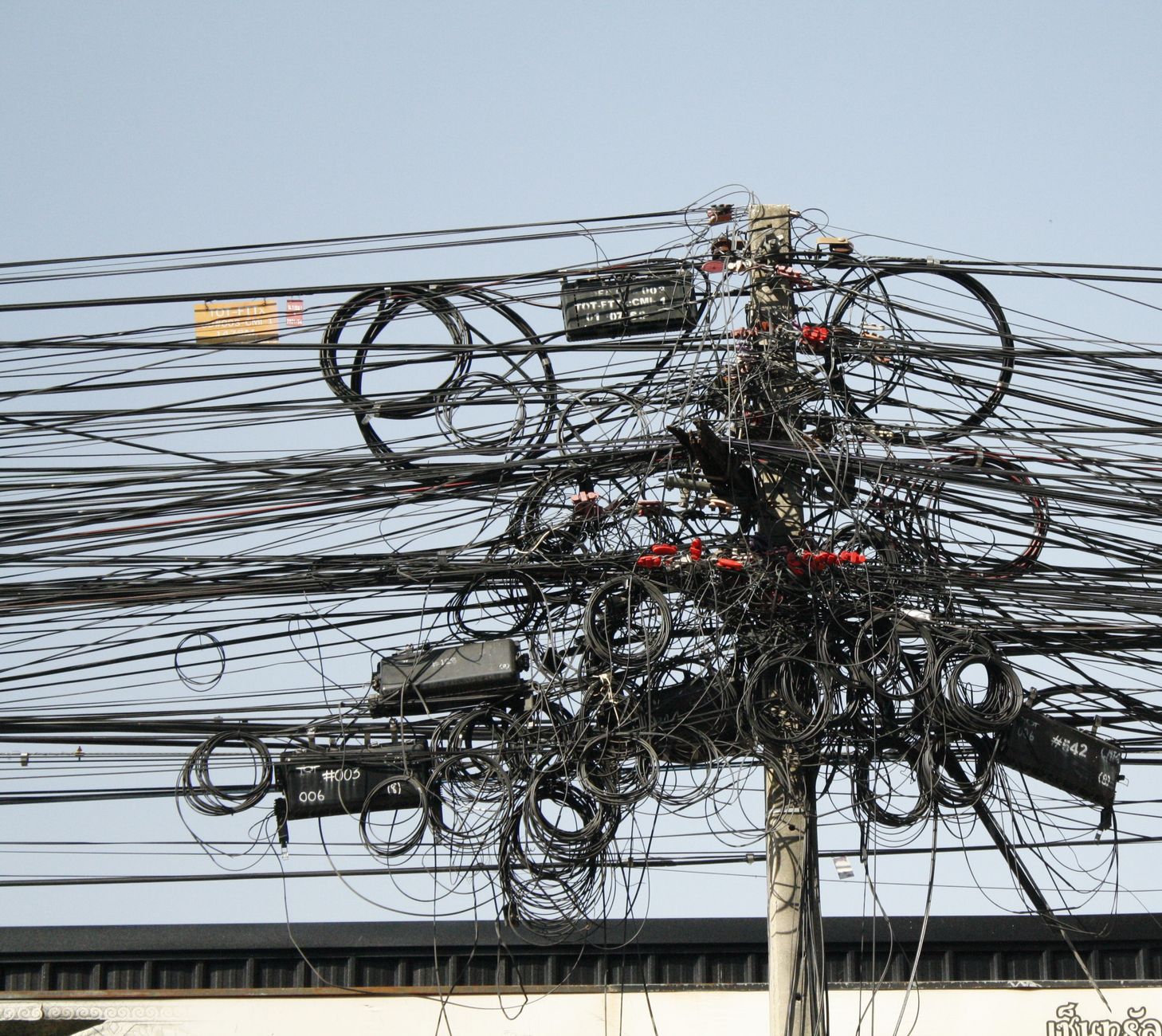
Production Readiness Checklists: Ensuring System Reliability
Master the art of production readiness. Use our comprehensive checklist to audit your architecture, identify hidden gaps, and ensure your system is stable.

Previously in this course, we covered alerting and incident response to ensure you can detect and react to failures. Now, we take a step back to perform a holistic audit of your entire system, ensuring that every component—from your load balancer to your database—is truly ready for the rigors of a production environment.
"Production readiness" is not a single feature; it is the sum of your architectural choices, operational habits, and defensive configurations. In professional engineering, we rely on checklists to reduce cognitive load and prevent the "I forgot to configure that" failure mode, as discussed in software engineering checklists: reducing cognitive load for reliability.
The Anatomy of a Production Audit
To achieve working competence, you must evaluate your system across three pillars: Observability, Resiliency, and Security. If any of these are missing, your system is merely a prototype.
1. The Observability Check
If you cannot measure it, you cannot manage it. Before traffic hits, verify:
- Structured Logging: Are your logs JSON-formatted for machines to parse?
- Health Checks: Do you have
/healthendpoints that verify downstream dependencies (e.g., DB connectivity)? - Tracing: Are your requests carrying a
Correlation-IDto track them across service boundaries, as explored in distributed tracing basics: tracking requests across microservices?
2. The Resiliency Check
Failure is inevitable. Your goal is to make failure boring.
- Circuit Breakers: Are your external service calls protected by the patterns we covered in implementing circuit breakers: a guide to system resilience?
- Rate Limiting: Is your API protected against accidental or malicious traffic spikes?
- Database Backups: Do you have automated snapshots and, more importantly, have you tested restoring from them?
3. The Security Check
- Secret Management: Are your API keys and database credentials stored as environment variables or in a vault, rather than hardcoded in your source files?
- HTTPS Enforcement: Is TLS/SSL configured, and are you redirecting all insecure HTTP traffic?
Worked Example: The Readiness Audit Script
Rather than manually checking every server, I recommend creating a simple "readiness probe" script that runs against your environment. This ensures your production configuration is strictly enforced.
Bash#!/bin/bash
# production_audit.sh - A simple check for service readiness

check_endpoint() {
  local url=$1
  local status=$(curl -s -o /dev/null -w "%{http_code}" $url)
  if [ "$status" -eq 200 ]; then
    echo "[PASS] $url is reachable"
  else
    echo "[FAIL] $url returned $status"
    exit 1
  fi
}

# Audit the core infrastructure
echo "Starting production audit..."
check_endpoint "https://api.myapp.com/health"
check_endpoint "https://api.myapp.com/metrics"

# Verify environment variables
if [ -z "$DATABASE_URL" ]; then
  echo "[FAIL] DATABASE_URL is not set!"
  exit 1
fi
echo "[PASS] Environment variables validated"
Hands-on Exercise: Audit Your Project
- Map your dependencies: List every external service your project relies on (e.g., Redis, PostgreSQL, 3rd-party APIs).
- Define a "failure mode": For each dependency, answer: "What happens if this service returns a 500 or times out?"
- Cross-reference: Check your design against the final project audit & optimization: achieving production readiness guide to ensure you haven't missed any performance-critical configurations.
- Create your checklist: Document your findings in your design doc.
Common Pitfalls to Avoid
- The "Silent Failure" Trap: Ensure your health checks actually check dependencies. A
/healthendpoint that just returns200 OKwithout checking the database connection is useless. - Ignoring Defaults: Production environments often require higher connection pool limits or specific timeout values that the "default" configuration ignores. Always tune your middleware.
- Lack of Rollback Plan: A checklist is not just about moving forward. Ensure you have a documented way to revert your configuration if the production deployment goes sideways.
FAQ
Q: How often should I run this audit? A: Every time you make a significant change to your architecture or deployment pipeline. Treat it like a flight checklist.
Q: What if I don't have a formal "production" environment yet? A: Run this audit against your staging environment. If your staging environment isn't "production-ready" in terms of monitoring and security, you aren't ready to ship.
Recap
Production readiness is the result of rigorous verification. By auditing your system against observability, resiliency, and security standards, you minimize the risk of catastrophic failure. Use the script provided to automate your checks and keep your documentation updated as your system evolves.
Up next: We will explore how to protect your business continuity by designing for disaster recovery.
Work with me
Next.js Full-Stack Web App Development
A fast, SEO-ready full-stack web app built with Next.js 16 — from idea to deployed product, by an engineer who ships to production.
Custom Email & File Storage System on Cloudflare (Google Workspace Alternative)
Your own private email + file storage suite on your domain — unlimited mailboxes, no per-seat fees. A self-owned Google Workspace alternative for a flat ~$5/month.