Engineering the Growth Scale-Up Plan: The Complete SEO Roadmap
Learn how to engineer an SEO growth scale-up plan by documenting technical fixes, mapping 6-month topical clusters, and structuring link-building campaigns.

Previously in this course, we examined how to evaluate our site's health and readiness during a Conducting a Comprehensive Authority Audit: The SEO Guide. Now, we synthesize all course learnings into a cohesive growth plan for scaling site authority across search engines and AI discovery engines.
Scaling a site from a handful of pages to a dominant market presence requires more than isolated optimization tweaks. It demands a synchronized engineering plan that ties together site-wide technical health, structured content expansion, and high-impact digital PR.
Documenting Site-Wide Technical Fixes
Before you pour fuel on the content fire, your infrastructure must be completely airtight. If your crawl budget is wasted or your Core Web Vitals lag, new content won't index effectively.
Start by compiling an immutable technical inventory based on your previous audits. Your site-wide technical checklist must resolve:
- Crawlability & Indexation: Eliminate orphan pages, prune thin content blocks, and clean up conflicting robots.txt directives or unwanted noindex tags on valuable assets.
- Performance & Core Web Vitals: Document precise fixes for Largest Contentful Paint (LCP) and Cumulative Layout Shift (CLS), prioritizing template-level rendering bottlenecks over single-page patches.
- Canonicalization & Redirects: Map out clean 301 redirect paths, eliminate multi-hop redirect chains, and ensure every URL has a strict, self-referencing canonical tag where appropriate.
- Structured Data Integrity: Verify that JSON-LD blocks (Articles, Products, LocalBusiness, Author schema) validate cleanly without missing properties or syntax errors.
Keeping this technical log transparent allows engineering and marketing teams to align on what gets fixed first, ensuring every piece of published content hits a high-performance, well-indexed foundation.
Outlining the Next Six Months of Topical Cluster Expansion
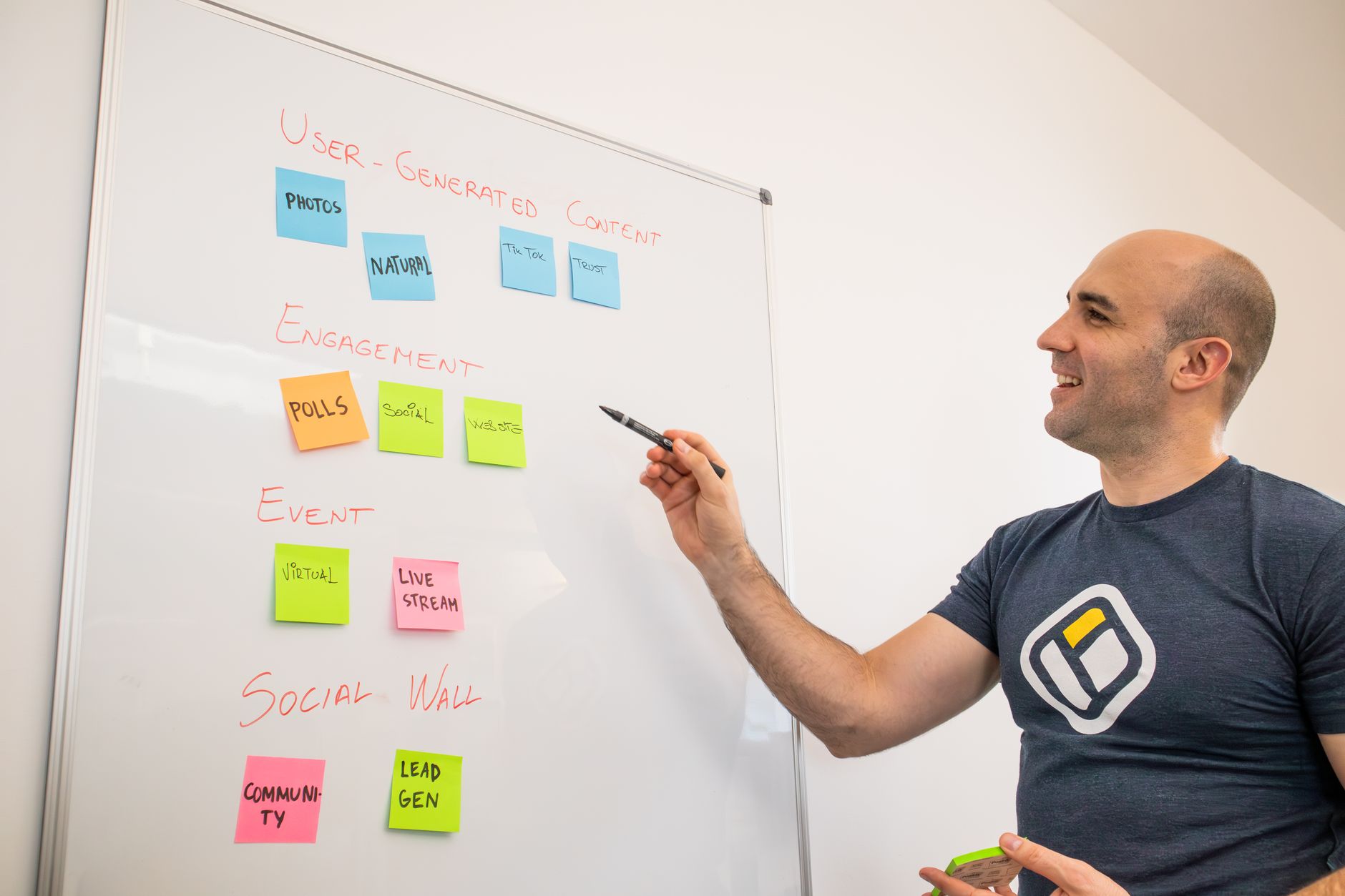
Traffic and AI search visibility depend heavily on topical depth rather than isolated keyword wins. As highlighted in recent industry research on AI search visibility and topical authority, large language models and search engines evaluate brands based on consistent patterns across entire categories rather than random keyword placements.
To capture both traditional search results and AI-generated answers across platforms like ChatGPT, Claude, and Gemini, structure your next six months of content expansion using a rigorous cluster model:
- Months 1–2: Core Pillar Reinforcement. Audit your core pillars. Fill immediate content gaps around your primary commercial intent keywords and strengthen entity relationships by connecting author bios to recognized industry standards.
- Months 3–4: Secondary Cluster Spoke Deployment. Roll out supporting long-tail spoke articles that answer specific user questions and feed internal link equity back into your pillar pages.
- Months 5–6: Utility and Data-Led Content Expansion. Introduce high-utility assets like free calculators, interactive tools, or data-driven studies that naturally attract third-party references and links.
| Phase | Focus Area | Primary Output | Key Metric to Watch |
|---|---|---|---|
| Months 1–2 | Foundation & Core Pillars | 4 Pillar Refurbishments + Schema Fixes | Indexation Rate & Core Web Vitals |
| Months 3–4 | Spoke Deployment | 20–30 Cluster Articles | Internal Link Flow & Keyword Impressions |
| Months 5–6 | Utility & Digital PR | 1 Interactive Tool / Data Study | Earned Media Citations & Backlinks |
Defining the Link-Building Campaign Roadmap
Off-site authority remains critical. As data shows, a vast majority of AI citations and traditional organic rankings rely on third-party validation and earned media. Self-promotion alone is no longer enough to convince search models that your brand is the definitive authority in your niche.
Your link-building roadmap must integrate digital PR and ethical outreach into an always-on engine:
- Data-Led PR Campaigns: Pitch original research, proprietary industry data, and statistical roundups to journalists and editors looking for verified sources.
- Resource and Tool Link Acquisition: Promote high-utility tools or calculators so that industry sites naturally reference and link to your utility pages.
- Relationship-Driven Outreach: Identify target influencers and niche publications through rigorous backlink gap analysis, crafting personalized pitches that highlight unique insights rather than generic link requests.
Hands-On Exercise: Drafting Your 180-Day Scale-Up Blueprint

To put this into practice, create a single Markdown or spreadsheet document that acts as your site's growth master plan.
- Section 1 (Technical Baseline): List your top three site-wide technical blockers (e.g., LCP failures on mobile templates, 15 redirect chains, and missing Author schema) alongside their assigned engineering tickets.
- Section 2 (Topical Roadmap): Outline the exact titles and target entities for the next 12 cluster articles across your chosen niche.
- Section 3 (Authority Targets): Define five target publication categories or data-led PR angles you will pitch over the next two quarters.
Common Pitfalls in Scaling SEO Strategies
When executing a growth plan, watch out for these traps:
- Scaling Content Before Fixing Tech: Publishing hundreds of new articles while your crawl budget is choked by parameter bloat or broken internal links will only dilute your crawl efficiency.
- Chasing Keywords Instead of Entities: Writing disconnected articles without pillar-cluster context fails to build the topical depth required by modern search engines and AI answer systems.
- Ignoring Off-Site Validation: Relying purely on on-site publishing while neglecting digital PR and earned media leaves your brand invisible in LLM recommendations.
Recap
Engineering a successful SEO growth scale-up plan requires synchronizing technical site health, systematic topical cluster expansion, and proactive digital PR. By building a solid technical foundation, mapping out six months of deep topical content, and executing ethical link-building campaigns, you transform your site into an authoritative market leader.
Up next, we will explore how to present this strategy in a persuasive format by Presenting a Data-Backed Business Case to non-technical stakeholders.
Work with me
Headless WordPress + Next.js Frontend Development
Keep WordPress for content, get a lightning-fast Next.js frontend. The best of both worlds — familiar editing, modern speed.
Next.js Full-Stack Web App Development
A fast, SEO-ready full-stack web app built with Next.js 16 — from idea to deployed product, by an engineer who ships to production.