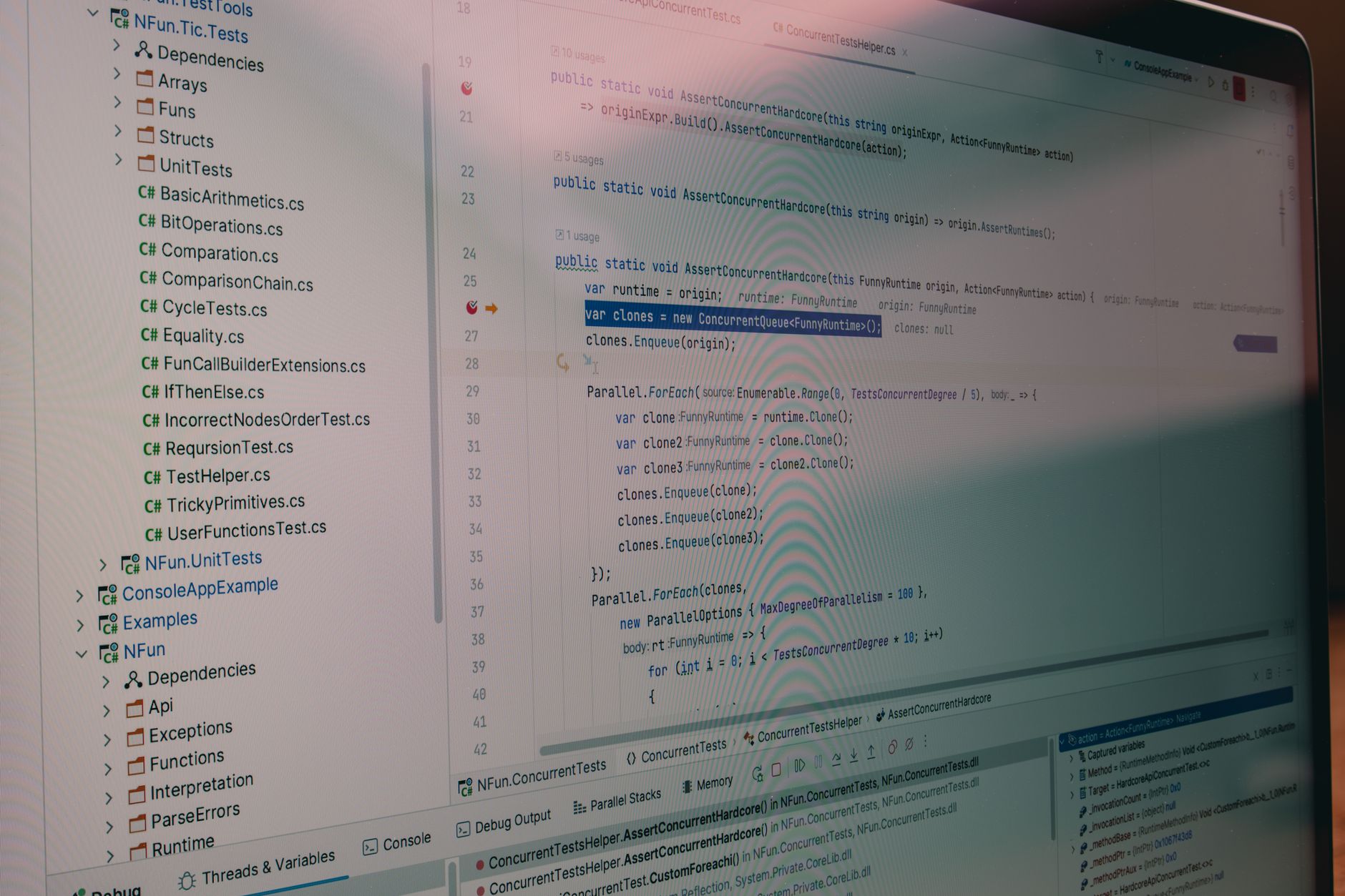
Improving Test Coverage: A Strategic Guide for Engineers
Learn how to use coverage tools to find gaps, write targeted tests for missing branches, and balance code quality with pragmatic engineering goals.

Previously in this course, we explored Understanding Code Coverage: Metrics, Reporting, and Reality, where we established that coverage is a metric, not a goal in itself. In this lesson, we shift from measuring to improving that coverage. We will use coverage reports as a tactical map to identify exactly which branches of your logic remain untested, allowing you to write high-impact tests that increase your system's reliability.
Using Coverage Tools to Find Gaps
A coverage report is essentially a "heatmap" of your code. Most modern tools (like nyc for JavaScript, coverage.py for Python, or JaCoCo for Java) don't just tell you the percentage of lines executed; they show you which specific lines—and more importantly, which branching conditions—were never touched by your test suite.
When you run your test suite with coverage enabled, look beyond the top-level percentage. Your goal is to identify uncovered branches. For example, if you have an if statement, your tests might exercise the true path, but the false path might remain invisible to your suite. This is where bugs hide.
Targeted Testing for Missing Branches
Let’s look at a concrete example. Imagine a simple function that processes user discounts:
PYTHONdef apply_discount(price, user_type):
    if price < 0:
        raise ValueError("Price cannot be negative")

    if user_type == "premium":
        return price * 0.8
    elif user_type == "standard":
        return price * 0.9

    return price
If your current test suite only checks apply_discount(100, "premium"), your coverage report will flag two major gaps:
- The error handling for negative prices (the
if price < 0branch). - The "fallback" return case (what happens if
user_typeis neither "premium" nor "standard").
To improve coverage effectively, you shouldn't just write one test to cover "everything." You write targeted tests for the missing branches:
PYTHONdef test_apply_discount_negative_price():
    # Targets the first branch
    with pytest.raises(ValueError):
        apply_discount(-10, "premium")

def test_apply_discount_unknown_type():
    # Targets the final return branch
    assert apply_discount(100, "guest") == 100
By focusing on the branches flagged by your tool, you transform the code from "partially verified" to "well-tested."
Balancing Coverage with Quality
A common trap for beginners is "coverage chasing"—trying to hit 100% at all costs. This leads to brittle tests that verify trivial code (like getters or setters) while ignoring complex, high-risk logic.
Follow these principles to maintain balance:
- Prioritize Logic over Lines: Focus on branches and conditional statements. A complex algorithm with 80% coverage is often safer than a simple CRUD helper with 100% coverage.
- Avoid Testing Frameworks: Don't waste time testing the standard library or trivial configuration code just to inflate the percentage.
- Refactor for Testability: If you find a block of code that is impossible to test, it is likely a sign of poor design. As we discussed in Refactoring with Confidence: A Guide to Safe Code Restructuring, if you cannot easily isolate a function to test it, the code is likely too tightly coupled.
Hands-on Exercise
- Run your existing project test suite with your language's coverage tool (e.g.,
pytest --cov=src). - Open the HTML or text report generated.
- Identify a function with less than 90% coverage.
- Locate the specific
if,else, ortry/exceptblock that is not covered. - Write two new unit tests: one that hits the missing branch and one that asserts the expected state change or return value.
- Re-run the coverage report to confirm the increase.
Common Pitfalls
- The "Vanity Metric" Trap: Increasing coverage to 100% by writing tests that assert nothing meaningful. If a test doesn't check a return value or a state change, it is just noise.
- Ignoring Edge Cases: Coverage tools verify that your code runs, not that it runs correctly. Always pair coverage analysis with Equivalence Partitioning to ensure you are testing the right values, not just hitting the right lines.
- Out-of-Date Reports: Always clear your old coverage reports before running a new test cycle. Stale data can lead you to "ghost" branches that you think are covered but aren't.
FAQ
Does 100% coverage mean 0% bugs? Absolutely not. It means your tests have executed every line of code at least once. It doesn't guarantee you've handled every possible input, data race, or environmental failure.
Should I reach for 100%? For critical business logic (e.g., payment processing), yes. For UI components or configuration files, 70-80% is often sufficient. Use your judgment to allocate effort where it matters most.
Recap
Improving test coverage is an act of surgical precision. By using your coverage tool to identify exactly which branches are missing, you can write targeted tests that eliminate blind spots. Remember: use coverage to guide your efforts, but rely on your own understanding of the system's risk to define success.
Up next
In our next lesson, we will explore Continuous Feedback Loops, where we learn how to make these coverage and testing insights a permanent, automated part of your daily development rhythm.
Work with me

AI Automation & Agentic Workflow Development
Automate the repetitive work eating your time — content pipelines, data workflows, and agentic AI tasks that run themselves.
Next.js Full-Stack Web App Development
A fast, SEO-ready full-stack web app built with Next.js 16 — from idea to deployed product, by an engineer who ships to production.